
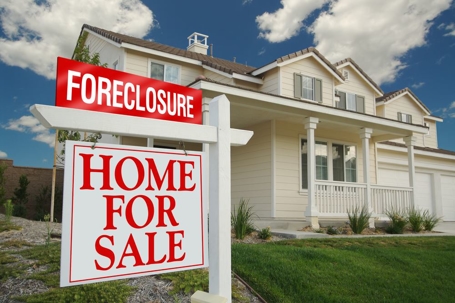
Foreclosure is a complex legal process governed by strict federal and state laws. Lenders must follow precise procedures when attempting to recover a property after a borrower defaults on a mortgage. When these procedures are not followed correctly, it can lead to delays, legal disputes, and even dismissal of the foreclosure action. Understanding common mistakes lenders make during foreclosure proceedings helps highlight how critical proper compliance with foreclosure laws can be.
Failing to Follow Proper Notice Requirements
One of the most frequent mistakes lenders make during foreclosure is failing to provide the correct notices required by law. Most states require lenders to issue multiple notices before initiating foreclosure, including notices of default, notices of intent to accelerate the loan, and notices of foreclosure sale.
If a lender sends notices with incorrect information, fails to send them within required timeframes, or sends them to the wrong address, the foreclosure process may be challenged in court. Courts often require strict adherence to notice rules, and even minor technical errors can cause significant delays or force lenders to restart the foreclosure process.
Improper Documentation of Loan Ownership
Foreclosures require lenders to prove that they have the legal right to enforce the mortgage and promissory note. This means demonstrating clear ownership of the loan and a proper chain of title.
In some cases, lenders or loan servicers attempt to foreclose without properly documenting the transfer of the mortgage between institutions. Missing assignments, incorrect endorsements on promissory notes, or incomplete records can make it difficult to establish standing in court. When the chain of ownership is unclear, foreclosure proceedings may be challenged or dismissed.
Filing Foreclosure Before Required Waiting Periods
Certain foreclosure laws require lenders to wait specific periods of time after a borrower defaults before beginning legal action. These waiting periods allow borrowers an opportunity to catch up on payments, seek loan modifications, or pursue other loss mitigation options.
A lender that files a foreclosure action prematurely risks violating statutory requirements. Courts may dismiss the case or require the lender to restart the process, leading to additional legal costs and delays.
Errors in Calculating the Amount Owed
Another common mistake involves inaccurate calculations of the total debt owed by the borrower. Foreclosure complaints typically include a breakdown of the unpaid principal balance, interest, late fees, escrow advances, and other costs.
If lenders miscalculate these figures or include fees that are not permitted under the loan agreement or applicable law, the foreclosure can be challenged. Borrowers may dispute the accuracy of the debt, which can lead to litigation over accounting errors and delay the proceedings.
Failing to Comply with Loss Mitigation Requirements
Federal mortgage servicing rules often require lenders and loan servicers to evaluate borrowers for alternatives to foreclosure before moving forward with legal action. These options may include loan modifications, repayment plans, or other loss mitigation programs.
Proceeding with foreclosure while a borrower’s loss mitigation application is still under review can violate federal regulations. This practice, often referred to as “dual tracking,” has led to many legal challenges against lenders. Courts may halt foreclosure proceedings if they determine that required loss mitigation procedures were not properly followed.
Incomplete or Inaccurate Foreclosure Filings
Foreclosure complaints and supporting documents must contain accurate and complete information. Errors in legal filings, including incorrect property descriptions, borrower names, loan numbers, or payment histories, can create problems in court.
Even small clerical mistakes may require lenders to amend filings, reissue notices, or correct documentation. In more serious cases, these errors can lead to dismissal of the foreclosure case, forcing lenders to begin the process again.
Miscommunication Between Servicers and Lenders
Mortgage loans are often serviced by third-party companies responsible for collecting payments and communicating with borrowers. When there is poor coordination between lenders and servicers, important information may be overlooked or mishandled.
For example, a servicer might fail to document borrower communications, misapply payments, or incorrectly report default status. These issues can complicate foreclosure proceedings and create disputes over whether the borrower was properly informed or given opportunities to resolve the default.
The Importance of Strict Legal Compliance
Foreclosure proceedings involve numerous legal requirements designed to protect both lenders and borrowers. When lenders fail to follow these procedures carefully, the foreclosure process can become significantly more complicated.
Mistakes involving notice requirements, documentation, timing, or calculations may result in legal challenges that delay or halt foreclosure proceedings. Careful attention to procedural rules and accurate documentation remains essential throughout every stage of the foreclosure process.
Contact James J. Quail & Associates, P.C. today to learn more!